


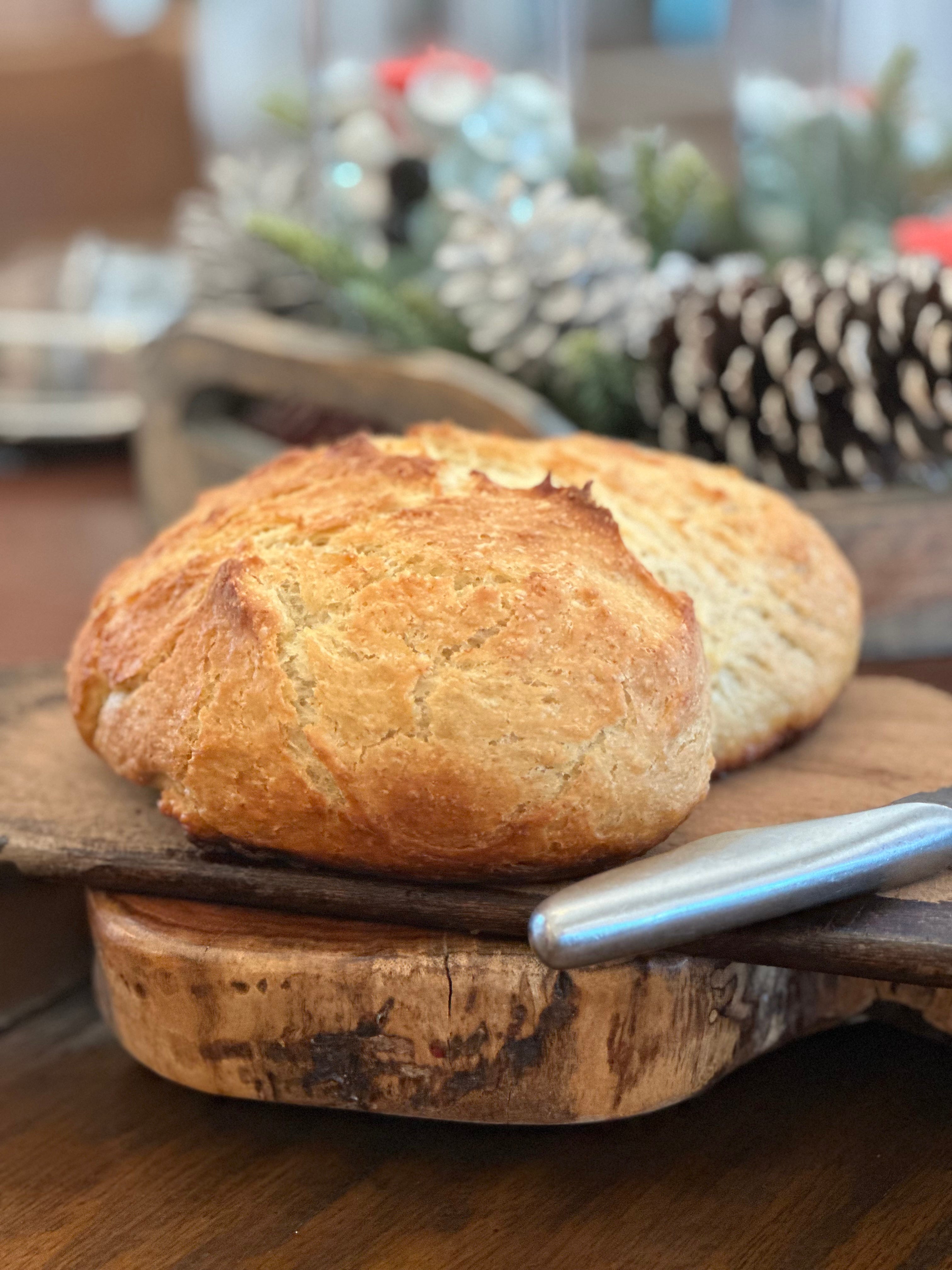
“They broke bread in their homes and ate together with glad and sincere hearts.” Acts 2:46
Dearest Daughters,
Well, here we are at week five of our six weeks of housekeeping tips. Today I’d like to talk about meal planning.
Now, for me, cooking is an art, and one that I truly love. There have been many evenings when I’ve cooked simply because it relaxes me. As I’ve gotten older, standing for long periods has become a bit harder on my back, so I tend to cook in shorter bursts now. Even so, I recognize that my perspective may be different from someone who finds cooking intimidating or exhausting.
The truth is, I’ve had those times, too. There were seasons when I was homeschooling three children while simultaneously raising three preschoolers. During those years, simply getting everyone fed and through the day felt like an accomplishment. So today I’d especially like to speak to those seasons, because they are often the ones in which we need the most encouragement.
The first thing I want you to remember is this:
Meals are memories.
Yes, people may remember the savory soup or the fluffy, fresh bread. But far more than the food itself, they will remember the feeling around the table. Was there laughter? Was there peace? Did they feel welcomed and loved?
So make that your primary goal. Come to the table with joy even for beans and rice! Come with gratitude, when there are only PBJs! And if simplifying the meal allows you to preserve a peaceful spirit, then simplify the meal. A simple supper served with love is far better than a complicated feast served with frustration and anxiety.
After that, yes, make the food tasty. And make it beautiful if you’re able, because beauty is one of God’s gifts and an expression of Him. But those are secondary goals. Relationship and love come first.
Meal planning is essential, especially during busy school seasons.
Once a week, sit down and make a menu for that week. Even if you don’t follow it perfectly, you’ll know what ingredients you need and won’t spend every afternoon wondering what to make.
Personally, I like a little flexibility. I often planned only four meals and left the other three days open for leftovers, unexpected company, or whatever happened to be coming in from the garden. Whether you plan four days or seven, simply having a plan removes an enormous amount of daily stress.
Whenever possible, think about tomorrow’s meal the night before. Take meat out of the freezer. Grind your wheat if you mill your own flour. Prepare whatever you can ahead of time.
Then remember that preparing meals is also part of breaking bread together.
The Bible doesn’t simply tell us to eat together. It tells us to “break bread” together. There’s something beautiful about the family taking part in the preparation.
I love setting a toddler on the counter with a little lump of dough. My toddlers rolled out many funny-looking biscuits or pie crusts over the years, and although they certainly weren’t perfect, they were “helping,” and making memories. Another child could grate cheese, and another wash vegetables while another can stand at the sink and wash dishes.
While dinner was coming together, so were relationships!
Instead of asking, How can I get this meal finished as quickly as possible? maybe ask, How many memories can we make and relationships can we build while we prepare it?
A friend of mine recently suggested having a regular breakfast assigned to each day of the week—granola on Monday, bagels on Tuesday, waffles on Wednesday, and so on. I never fully adopted that system, but I think it’s an excellent idea.
We did have our traditions. Saturday was “Pancake Saturday.” When our church services were in the afternoon, Sunday was “Brunch Sunday.”
We kept breakfasts simple for school mornings: homemade granola with yogurt, oatmeal, or bagels with cream cheese. They were nourishing, quick to prepare, easy to clean up afterward, and simple enough that you children could gradually learn to make them yourselves.
Simple breakfasts make wonderful training grounds for young cooks! A child can learn to stir oatmeal, toast bagels, scramble eggs, or flip pancakes long before they’re ready to prepare an entire dinner.
When it comes to company meals, I enjoy putting in a little extra thought. This doesn’t necessarily mean making something complicated. In fact, I think simple meals are often the best for larger crowds.
A pot of chili becomes something special when served with warm corn muffins, a crisp green salad, a sprinkle of cheese and cilantro, a wedge of lime resting on the edge of the bowl, and perhaps a roasted pepper garnish adding a splash of color. Those little touches tell your guests, You mattered enough for me to think about this.
When cooking for a large crowd, don’t hesitate to let others help. People often enjoy contributing. Let them bring the simple, inexpensive parts of the meal so they don’t feel burdened, and allow yourself to receive their kindness. Hospitality isn’t always best carried on one set of shoulders!
Finally, add thoughtful details like lighting a candle. Perhaps lay a flower across the table. Fold your napkins nicely. Use cloth napkin rings if you have them. None of these things are expensive or difficult, but they communicate care. In the end, that’s what hospitality has always been about: building relationships and making memories.
This is breaking bread together. Don’t ever forget that!
I love you!
Mom
Have 8 children, also, most were home birth. Homeschooled.Now a empty nester, but we have 42 in our family. Amazing, God is so good!!
Listen to all of your Dearest Daughters. Have enjoyed every single one I tried to subscribe to you for a year but it was giving my credit card a hard time. I'm now in Alaska for about 2 months and I don't want to mess up my credit card.