


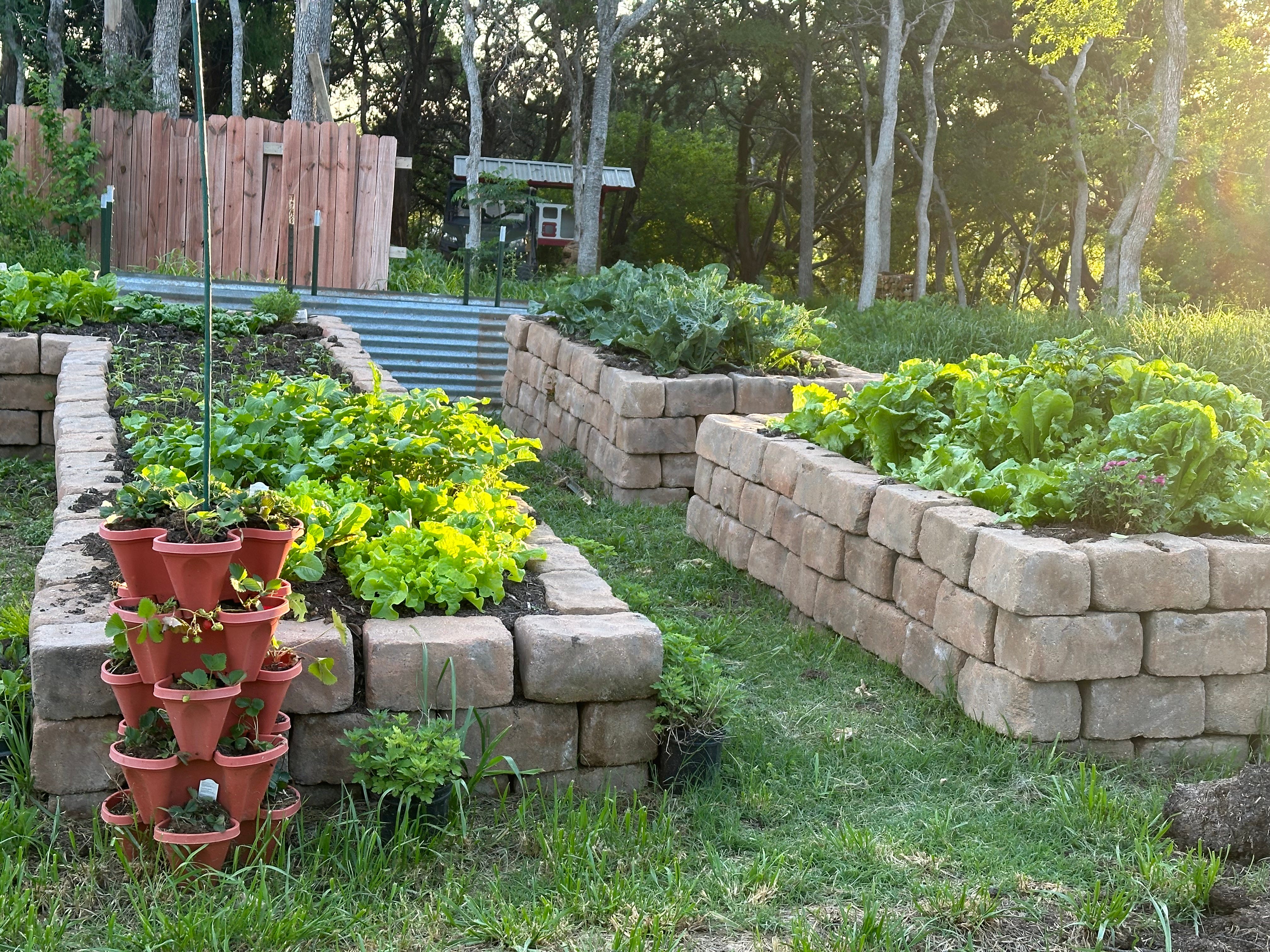
“We know that we have passed out of death into life, because we love the brothers.” (1 John 3:14)
Dearest daughters,
Love truly overcomes all, but how do we know if we’re walking in that love—if we’re truly serving our Lord and our neighbor as we ought?
We know, according to Scripture, that we have passed out of death and into life because we love the brothers. So the question arises: what is this death we’re to come out of?
Of course, it includes death in the ultimate sense of physical dying. But it’s also something more immediate; it’s the entropy we experience each day in the weight of troubled thoughts, in our own despondent attitudes, in the inward struggles, and even in our physical battles and failures. It is that inward decay that spirals us back upon ourselves.
But there is a clear path out of this death and into life, into living fully. That way is love.
Let me explain what I mean in the ordinary, daily sense. There’s a simple measure I’ve learned to use in my own life to know if I’m walking in this love for my brothers and sisters that will bring me from dying to living. God alone is the true judge of all things, but this measure has often served as a faithful guide to my heart.
When I find myself weighed down and consumed with my own problems—my emotions, my temptations, my failures—I take it as a sign that I’ve turned inward, and that I’m no longer loving as fully as I have been called to love.
I know there are certainly seasons in life that are difficult, and burdens that must be borne with patience and prayer. But I’ve also known another kind of burden that we are not called to live under.
I first noticed this when I was a teenager. Just before our Thanksgiving Fair each year, life would become very full. There were crafts to finish, schoolwork to complete, nightly music practices, and long afternoons spent preparing the fairgrounds or bringing in the last of the harvest. My days were poured out from morning until night.
And I began to notice that temptations that had often troubled me—distraction, wasted time, idle talk—all seemed to dissipate in that season. I realized that it wasn’t that I’d conquered them by consciously striving against them—it was simply that no room was left for them, because my life was full of giving.
And later, when we became involved in ministry, and I began to feel compassion for the struggles of others, I saw this even more clearly. As I gave myself to the needs around me, my own needs seemed to shrivel up—sometimes even my physical ones.
Then I discovered something even more interesting when I first began working in women’s health. I was part of a home group with many young, single women. One after another came to me, concerned about physical problems—especially related to their “unusually difficult cycles.” By the time the ninth young woman had come, I realized something: These were not rare or unusual problems! This was a Lake Woebegone malady, where all the women were above average.
And this caused me to wonder whether sometimes, when we’re left alone too much with ourselves, if our difficulties—both physical and spiritual—do not become magnified. I don’t mean to dismiss real struggles. We must never presume or diminish another’s pain. But it does give us pause. Is it possible that both real and imagined problems germinate and thrive in loneliness and inward focus?
But I’ve seen another way. When we’re wholly given to the work of the Lord—to loving our children, to serving our husbands, to caring for our neighbors—those problems that once loomed so large begin to shrink. Some even disappear altogether.
And so, again, this has become, for me, a kind of measure. If I find myself returning again and again—month after month, year after year—to the same struggles, the same discouragements, the same inward battles, I don’t begin trying to fix the problem by focusing on it. Instead, I begin by turning outward. I remember the instruction of Scripture: “Let no one seek his own good, but the good of his neighbor.” — 1 Corinthians 10:24
And I ask: Whom can I love today?
When you feel the pull toward distraction, toward self-pity, toward discouragement, answer it with love. Make a meal for someone. Serve in your home. Clean that closet that’s been waiting, do the job that would bless your husband or lighten another’s load. Look for the need, and meet it. You may find, as I have, that these small acts carry power far greater than you imagined.
For in the end, it’s not by wrestling endlessly with ourselves that we overcome the world—it’s by faith working through love. Give yourselves to love!
With all my love,
Mom
This Substack is reader-supported. To support my work, consider becoming a free or paid subscriber.
Such a sweet blessing, what a privilege to reap some of the wisdom that you desire to sow into your own daughters. Every time I get the email notification of your newsletter, I feel the need to slow down and take it all in. Thank you! Blessings to you and yours!
Thank you for articulating what I've come to find in my own self, and experience as recently as yesterday. I think we all fall into what you described, especially as women. It is certainly a cycle, but one that can be broken with love!